

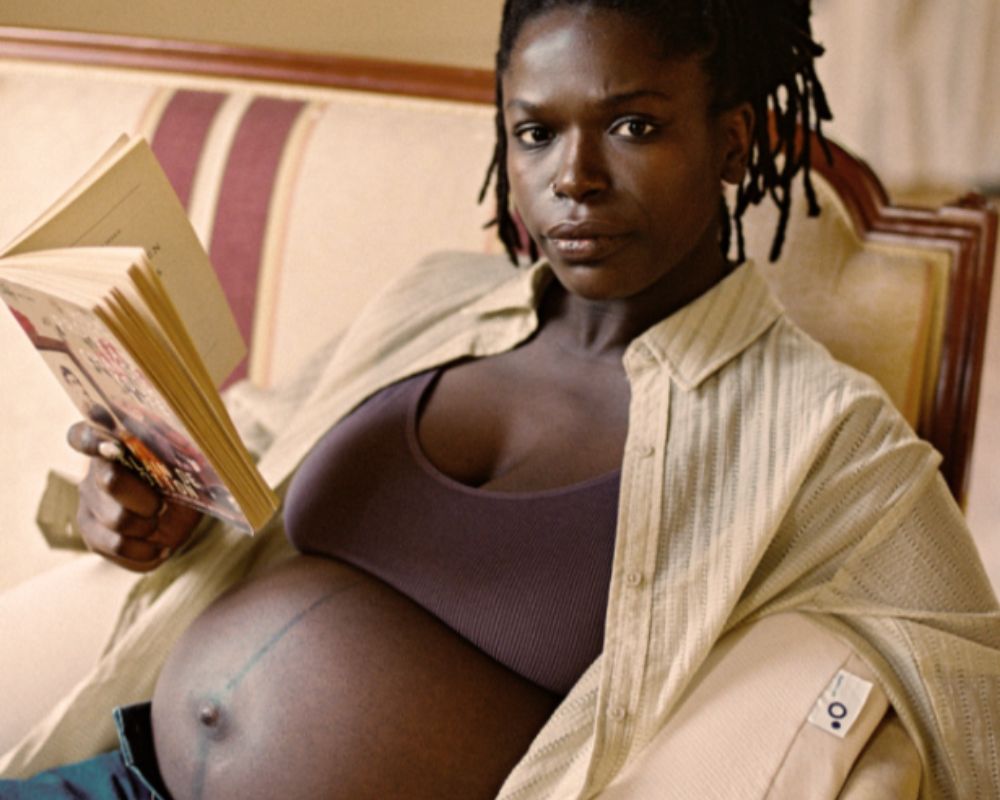

During pregnancy, the body undergoes profound changes, yet we still don’t talk about it enough. We often idealise the image of a round belly, without necessarily preparing expectant mothers for the profound changes their bodies will undergo. However, a better understanding of these changes can really help them to experience them more calmly.
Physiological adaptations
In reality, from the very first weeks, the whole body is in motion: the cardiovascular system adapts, blood volume increases by about 1.5 litres, which can cause slight anaemia and put more strain on the heart. Breathing becomes deeper to meet the increased need for oxygen, and this can make you feel out of breath even after a little effort. The venous system also changes: the walls of the veins relax under the effect of hormones, slowing down blood circulation. This explains the feeling of heavy legs, oedema and, in some cases, the appearance of varicose veins or pelvic congestion syndrome.

Posture, pain and mobility
At the same time, the uterus grows, gradually shifting the centre of gravity forward. The body does its best to adapt to this new posture, but this often leads to hyperlordosis, lower back pain and increased strain on the muscles that stabilise the pelvis and spine.
In addition, pregnancy hormones, particularly relaxin, make the ligaments more flexible, which promotes a certain amount of joint laxity. This can lead to feelings of instability or even sprains, especially in the ankles. Muscles are more elastic but sometimes a little less toned, which increases the risk of muscle or joint pain.
« This is why it is highly recommended to maintain gentle physical activity to preserve muscle tone and relieve tension. »
Many women also experience ligament pain, often in the lower abdomen or groin area: this is because the ligaments stretch to accommodate the changing body, but sometimes do not have time to keep up. In these cases, stretching can really help. The perineum, that very important set of muscles, is also under a lot of strain, and it is not uncommon to experience discomfort, tension or even pain. Becoming aware of your perineum, learning to relax it and gently mobilise it is already preparing you for childbirth but also for the postpartum period.
Weight gain and pelvic changes
Weight gain is another major source of concern during pregnancy. However, it is natural: it is due to an increase in blood volume, the development of the baby and placenta, and the presence of amniotic fluid. On average, weight gain is between 8 and 16 kilograms for a single pregnancy and 19 to 24 kilograms for a twin pregnancy. This weight gain may accelerate at the end of pregnancy, which is completely normal.
Sometimes, a gestational diabetes screening test is offered to check whether the expectant mother is becoming insulin-dependent. In cases of diabetes or large babies, caesarean sections may be considered, but this always depends on the circumstances and will be discussed with the medical team. This weight gain can also weaken the perineum and promote abdominal diastasis (separation of the rectus abdominis muscles), which is why it is important to keep moving.
The pelvis also changes to prepare for the baby’s passage. At the end of pregnancy, the baby gradually descends into the pelvis, passing through the three straits (upper, middle and lower). This is why antenatal classes focus heavily on pelvic mobility, with simple and effective exercises. Other changes may occur: feet may become wider, and some women may even gain a shoe size. Hair growth may increase due to hormones, and pregnancy masks may appear.
Postpartum: a new chapter
And after giving birth, the changes don’t stop: the breasts, which have already started to grow during pregnancy, begin to produce milk. The tummy looks empty, sometimes soft, the skin may appear stretched, and stretch marks may appear. Many new mothers talk about this strange moment when they no longer really recognise their bodies. It is therefore essential to take the time to reconnect with your body and to seek support during this stage. Recovery can take several months or even years. Never compare your body today with how it was before. The goal is to rebuild yourself, not to go back to how you were before.


The postpartum period varies from woman to woman. After a vaginal delivery, recovery may be faster than after a caesarean section. Lochia, or vaginal bleeding, can last up to six weeks. Pelvic pain, especially in cases of tearing or episiotomy, requires patience and rest. Resuming physical activity will depend on the type of delivery and overall recovery, but some methods, such as De Gasquet, can be resumed quickly.
Sexuality may also change. Returning to intimate relations will depend on the experience of childbirth, comfort and the desires of each individual. Recommendations often mention a six-week waiting period, but there are no rules. What matters is respecting your body and your feelings.
As for weight loss, this happens gradually: it depends on weight gain during pregnancy, but also on sleep, diet and breastfeeding. It is perfectly normal to lose a little weight after giving birth, but it is important to remember that it took nine months to create life… and that it is legitimate to take as long as it takes to find a new balance.
Perineal and abdominal rehabilitation is an essential step that should not be overlooked. And beyond all that, it is important to remember that every body is different and every experience is unique. There is no point in rushing things or comparing yourself to others. The most important thing is to listen to yourself, respect yourself and be as gentle with yourself as possible.

