

Diastasis recti is a separation of the linea alba, the vertical band of fibrous tissue located in the centre of the abdomen, between the two muscles called the rectus abdominis, commonly known as the “six-pack”.
Causes and frequency
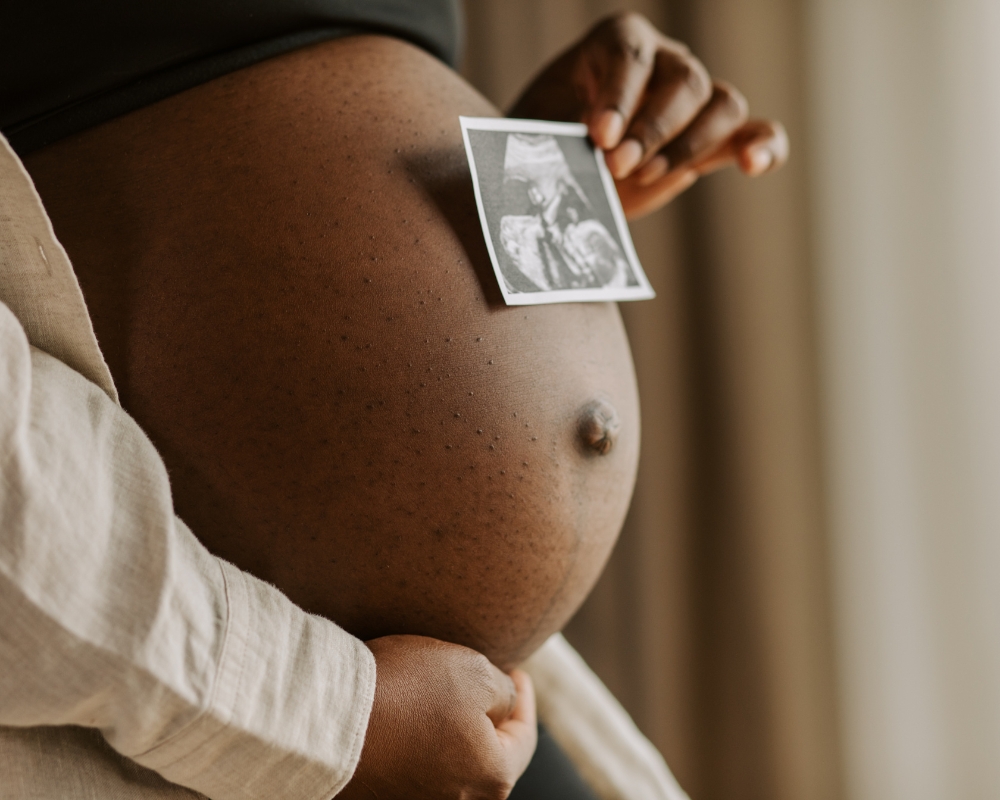
During pregnancy, the growth of the uterus puts continuous pressure on the abdominal muscles, stretching and weakening the linea alba and causing diastasis. This phenomenon is very common: in about 60% of women, diastasis resolves naturally between 6 and 8 weeks after giving birth. However, for 20% of them, it persists beyond 6 months postpartum.
The causes may be:
- Poor management of abdominal pressure (pushing forward instead of engaging the transverse abdominis muscle).
- Poor posture habits.
- Inappropriate exercises, such as crunches, which increase abdominal pressure.
Significant diastasis (more than 4 cm) can be accompanied by lower back pain, prolapse (descent of organs), urinary incontinence, digestive problems, and can have an aesthetic impact on the abdomen.
Identifying diastasis
It may be visible to the naked eye, particularly as a protrusion or “bump” on the abdomen when standing up straight. During pregnancy, a belly that “sticks out” significantly may be an early sign. The diagnosis can also be confirmed by a professional (physiotherapist or trained coach).
Prevention and best practices
Before and during pregnancy:
- Limit excessive weight gain.
- Avoid exercises that put a lot of strain on the rectus abdominis muscles (such as scissors).
- Strengthen the transverse muscle, the deepest layer of the abdominals, comparable to the foundations of a house.
- Adapt everyday movements: roll onto your side to lie down or get up, avoid sudden extension movements (e.g. tennis) and adapt your physical activity (no more plank exercises!).
Immediately after giving birth:
- Practise breathing exercises that engage the transverse abdominis and perineum.
- Continue to lie down or get up by rolling onto your side.
- Continue to avoid excessive abdominal pressure (carrying heavy loads, pushing with your stomach).
- Adopt a good position on the toilet (raise your feet to reduce the need to push).
Recovery and treatment
Healing often occurs naturally, but can be aided by gradual exercises: first the transverse abdominals, then the obliques, and finally the rectus abdominals. Good hydration promotes flexibility and elasticity of the linea alba.
Abdominal rehabilitation goes hand in hand with perineal rehabilitation: it is essential and should not be neglected. In cases of severe diastasis or hernia, surgery may be considered, but only as a last resort.


Tips for protecting your back and stomach
- Adopt good posture when breastfeeding or carrying your baby by using a nursing pillow.
- Use an ergonomic baby carrier (scarf or suitable baby carrier) to distribute the child’s weight. Consult a babywearing instructor for the comfort of both baby and mother.
Healthy lifestyle and overall recovery
A balanced diet, good hydration and quality sleep are essential for muscle health and postpartum recovery.

