

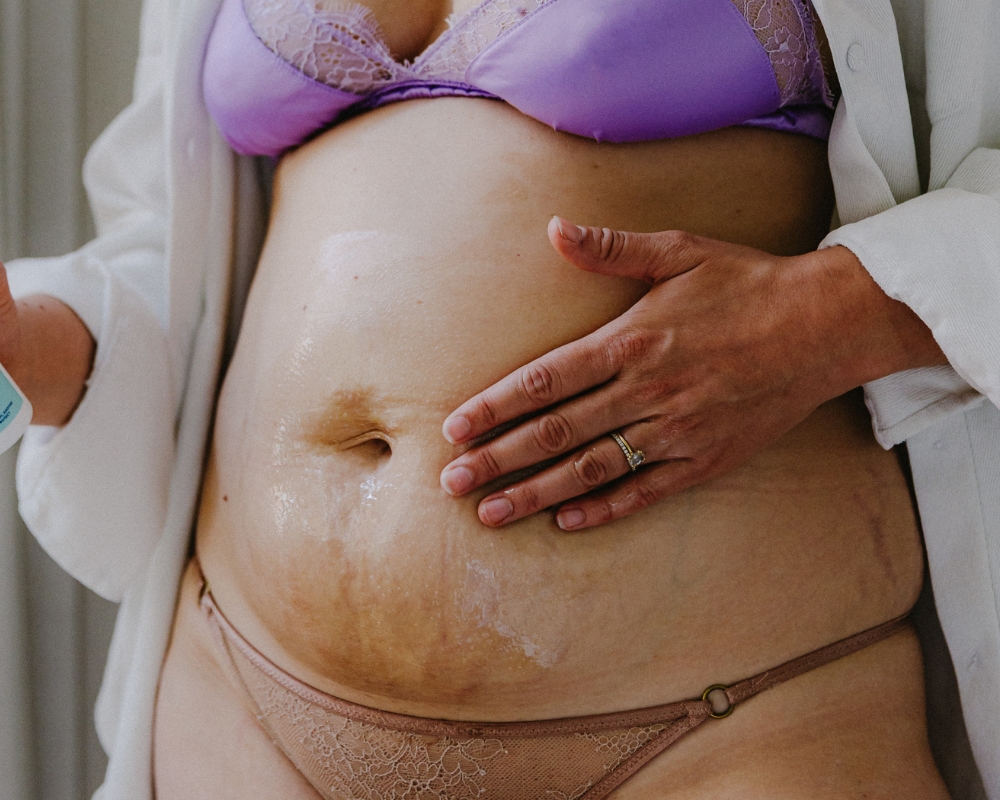

The postpartum period, also known as the fourth trimester, is an intense time of transition for both the body and the mind. During pregnancy, the mother-to-be often lives in symbiosis with her baby, protected in their bubble. But after giving birth, reality can be more challenging: fatigue, emotional fragility, hypersensitivity, sleep disorders… These are all common signs of baby blues, linked to profound hormonal changes.
After the placenta is expelled, the sudden drop in oestrogen and progesterone causes a collapse in energy levels and a decrease in serotonin, the “serenity hormone”. This is why anticipating and supporting this phase with naturopathy and micronutrition can significantly improve well-being. The key is to anticipate this phenomenon.
Anticipate and get organised before giving birth
Good preparation in advance helps to ensure a more peaceful postpartum period.
- Division of tasks: discuss with your partner and those around you how to manage daily life (shopping, meals, laundry, cleaning, caring for other children).
- Support network: identify people who can help out in the first few months.
- Lighten the mental load: delegate as much as possible, especially during the first three months.
Nutrition and micronutrition
After giving birth, a warm, nourishing and nutrient-rich diet promotes recovery and lactation.
Key points:
- Omega 3: Omega 3 intake is a key part of postpartum micronutrition. It is recommended to start taking omega 3 supplements in the third trimester of pregnancy and continue until three months after giving birth. If necessary, this can be extended. However, supplementation (capsules, tablets, etc.) should be discontinued at least 15 days before the expected date of delivery, while maintaining dietary intake. It can be resumed after postpartum bleeding has stopped. Possible forms include EPA, DHA or DHA alone, at a dose of 400 to 500 mg per day, preferably in the evening. Make sure to eat two weekly portions of small oily fish, such as herring, mackerel, sardines or cod liver. These foods also play an important role in the baby’s brain development and visual health.
It is recommended to vary your sources of fat by including one tablespoon of rapeseed, flaxseed, hempseed, camelina or walnut oil every day, cold-pressed and uncooked.
In addition, it is advisable to favour hot, cooked foods, always using gentle cooking methods for vegetables in order to limit the loss of vitamins and minerals. - Mineralising broths: vegetables, bones or chicken, as well as marine plasma for remineralisation.
- Proteins and fermented products: eggs, fish, white meat, legumes, yoghurt and fermented cheeses, which help to renew the body’s structures and cells, including muscles, bones, hair and nails.
- Iodine intake: seaweed, shellfish, fish and eggs to support the thyroid and the baby’s development.
- Vitamins and minerals: iron, zinc, magnesium, vitamin D, via various vegetables, red meat, cocoa, spirulina, pumpkin seeds.
- Intestinal health: fibre (fruit, vegetables, whole grains, legumes), which are essential for postpartum well-being. For all whole grains and legumes, it is recommended to soak them beforehand. This step minimises the phytate content in their husks and improves digestibility. Also, foods rich in probiotics (kefir, sauerkraut, kombucha, kimchi) will help restore the flora.
- Collagen: found in bone broth, to support healing and recovery.
Hormonal and emotional support with plants
Certain adaptogenic plants help regulate hormones and improve mood:
- Ashwagandha: balances hormones and reduces stress.
- Chaste tree: regulates prolactin and progesterone, stimulates lactation, combats depression and anxiety.
- Rhodiola: stimulates dopamine.
- Saffron, Griffonia: promote serotonin production.
For relaxation: infusions of lavender, chamomile, lemon balm, lemon verbena. Rosemary strengthens the immune system and combats fatigue (to be consumed in the morning or at lunchtime). A supplement of magnesium bisglycinate (300 mg/day) and lime blossom (15 drops/day) may also be beneficial.

Promote bonding and lactation
- Skin-to-skin contact: creates a cocoon of warmth, stimulates oxytocin and supports breastfeeding by reducing the risk of postpartum depression.
- Hydration: approximately 2 litres of mineral water per day, broths, breastfeeding herbal teas.
- Galactogenic foods: dates, dried figs, oilseeds, sesame seeds, legumes, fennel, green anise, cumin, fenugreek.
- Support: consult a lactation consultant if necessary.
Take care of yourself
Allow yourself some time to relax every day, even if it’s only for a short while: take a nap, have a bath (perhaps with Epsom salts), enjoy a massage, or go for a walk in nature.
Don’t hesitate to delegate tasks to take care of yourself. Psychological support (therapy, hypnosis, sophrology) or simply someone to listen without judgement can help you express your emotions.
Mothers’ groups and social support are also invaluable.
Every woman is unique and should adapt these recommendations to her own needs. Support from a naturopath can help personalise this advice for a harmonious postpartum period and optimal recovery.

